

We are delighted to share a blog by Akshay, from Neerja Modi School, India. Akshay’s Team was one of the finalists in the Global Social Leaders Global Goals Competition 2025-26.
From Floodwaters to Climate Action: The HydroSob Journey explores how one student’s experience with the environmental impacts of flooding inspired an innovative solution. HydroSob is a biodegradable, flood-activated pad designed to absorb pollutants, capture greenhouse gases, and support ecosystem recovery after floods. This blog shares the journey from idea to innovation and the ambition to turn disaster recovery into an opportunity for climate action.
Participating in the GSL Global Goals Competition has shown me that with curiosity, perseverance and collaboration a single idea like HydroSob can grow into a solution with the potential to create meaningful environmental and social impact.
Project Summary
From Floodwaters to Climate Action: The HydroSob Journey
Every year, floods leave behind more than just damaged homes and roads they contaminate water with microplastics, release greenhouse gases from disturbed sediments, and degrade the health of surrounding ecosystems. Living in India, I have seen how communities are forced to deal with the long-term environmental consequences of flooding long after the water has receded. While researching flood management, I realized that most existing solutions focus on controlling or redirecting floodwater, but very few address the pollution and climate impacts that floods leave behind. This gap inspired me to think beyond traditional flood protection and develop a solution that could help both people and the environment.
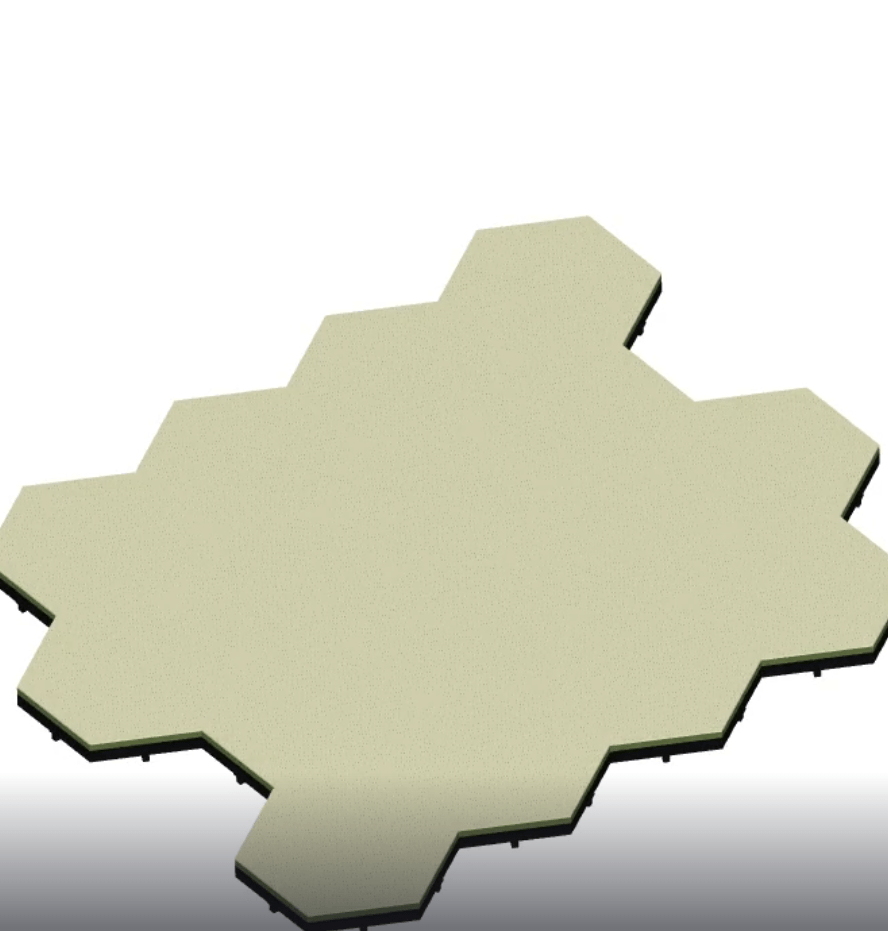
That idea became HydroSob, a biodegradable, flood-activated climate pad designed to work during and after flood events. When floodwaters rise, HydroSob expands and begins absorbing pollutants such as microplastics while also capturing greenhouse gases released from flood-affected environments. Once floodwaters recede, the pad naturally biodegrades, returning nutrients to the soil instead of creating additional waste. By combining flood resilience, pollution control, carbon capture, and ecological restoration into a single product, HydroSob offers a more holistic approach to disaster recovery.
My goal is to make HydroSob an affordable and scalable solution that can be deployed by municipalities, disaster management agencies, environmental organizations, and local communities in flood-prone regions. Rather than simply responding to floods, I want to transform recovery efforts into opportunities for environmental restoration. Through research, prototyping, testing, and collaboration with experts, I hope HydroSob can contribute to building more resilient communities while protecting ecosystems from the growing impacts of climate change.
The Journey
Participating in the GSL Global Goals Competition has been much more than an opportunity to present an idea it has been a journey of growth as an innovator, researcher and leader. While developing HydroSob, I have strengthened my problem-solving and critical thinking skills by learning how to break down a complex environmental challenge into a practical, science-based solution. I have also developed skills in research, design thinking, communication, and pitching, as I have had to explain my idea to people from different backgrounds from students to industry experts.
One of the biggest lessons I have learned about myself is that I enjoy tackling problems that do not have obvious solutions. I have discovered that persistence is just as important as creativity. There were many moments when my idea changed after receiving feedback or when research challenged my initial assumptions. Instead of seeing these as setbacks, I learned to view them as opportunities to improve and make HydroSob more impactful.
My biggest challenge is transforming an innovative concept into a solution that can be tested, validated, and eventually implemented at scale. Developing prototypes, gathering scientific evidence, and ensuring the solution is both environmentally effective and economically feasible requires time, collaboration, and continuous learning. I plan to overcome this challenge by working closely with mentors, researchers, environmental organizations, and industry experts, while continuing to refine HydroSob through testing and feedback.
The GSL Global Goals Competition has reinforced my belief that meaningful change begins with curiosity and action. It has shown me that even as a student, I can contribute to solving global challenges by combining scientific innovation with a commitment to creating positive social and environmental impact. This experience has inspired me to continue developing HydroSob and to keep using innovation as a tool to build a more sustainable future.
The Next Chapter
Looking ahead, I see HydroSob as more than a single project it is the beginning of a long-term mission to create practical, sustainable solutions for environmental challenges. I hope to continue refining the technology through research, prototype testing, and collaborations with scientists, engineers, governments, and environmental organizations so that it can one day make a real difference in flood-prone communities around the world.
I would strongly encourage other young people to get involved in projects that address issues they care about. You do not need to be an expert or have all the answers to make an impact. Every meaningful innovation starts with curiosity, a willingness to learn, and the courage to take the first step. My advice is to identify a problem in your community, ask questions, seek feedback, and keep improving your ideas even when the journey becomes challenging. The world needs young people who are willing to think differently and take action. If each of us uses our skills and creativity to solve even one local problem, together we can create lasting positive change on a global scale.
We invite you to read more about HydroSob on our GSL projects page.

